

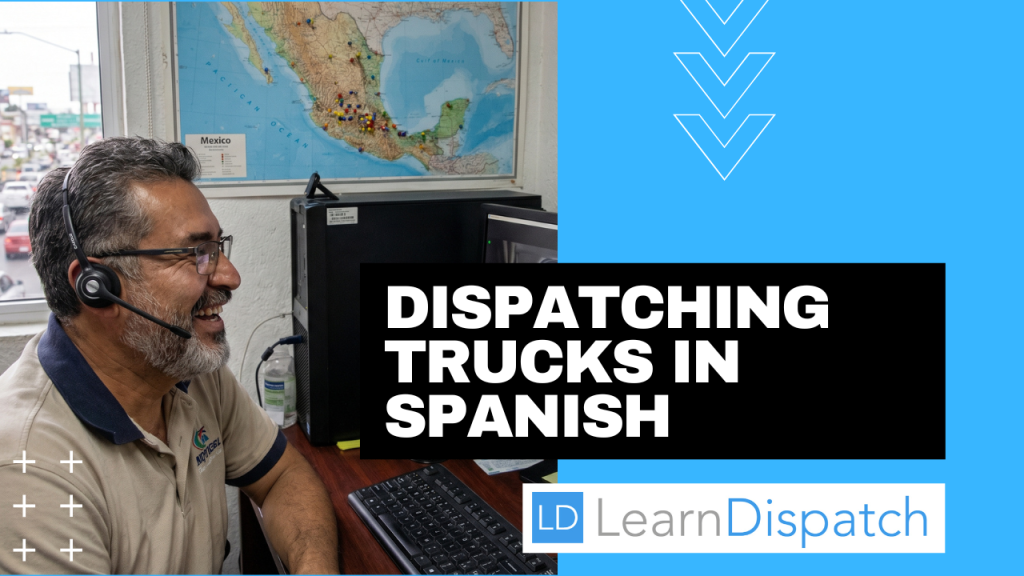
Truck Dispatching in Spanish. What Bilingual Dispatchers Need to Know
Hello everyone! Today we’re tackling a question I get asked all the time: “Can you dispatch trucks in Spanish?” This is an increasingly relevant question given the growing number of Spanish-speaking owner-operators and drivers in the trucking industry. Let me give you a straightforward answer and explain what it really means to work as a bilingual dispatcher.
The Short Answer: Yes, But English Is Still Essential
Here’s the reality: you absolutely can dispatch trucks in Spanish, and being bilingual can be a tremendous advantage in this industry. However—and this is crucial—you still need to be proficient in English to be successful as a truck dispatcher.
I know this might disappoint some people who were hoping they could work exclusively in Spanish, but let me explain why English proficiency is non-negotiable in this business.
Why English Is Required for Truck Dispatching
The trucking and logistics industry in the United States operates primarily in English, and there are several practical reasons why you can’t avoid it:
Working with Freight Brokers
The majority of freight brokers you’ll interact with on a daily basis speak English as their primary language. When you’re negotiating rates, confirming load details, or resolving issues, these conversations will almost always happen in English. While some brokers may speak Spanish, you simply can’t count on it. If you can’t communicate effectively with brokers, you can’t secure loads for your clients—it’s that simple.
Documentation Is in English
Nearly all the paperwork involved in truck dispatching is in English. We’re talking about:
- Rate confirmations
- Bills of lading
- Shipping manifests
- Broker-carrier agreements
- Insurance certificates
- FMCSA regulations and compliance documents
- Load board listings and descriptions
You need to be able to read, understand, and process these documents quickly and accurately. Misunderstanding a critical detail on a rate confirmation or BOL because of language barriers can lead to serious problems, including payment disputes or service failures.
Communication with Multiple Parties
As a dispatcher, you’re the central communication hub for every load. You’ll be coordinating with:
- Shippers at pickup locations who need to provide loading instructions
- Receivers at delivery points who have specific unloading requirements
- Truck stops and service centers for maintenance and fuel
- Weigh stations and DOT officers during compliance checks
- Insurance companies when issues arise
While you might occasionally encounter Spanish speakers in these roles, most of your interactions will be in English. You need to be prepared to handle these communications professionally and clearly.
The Tremendous Advantage of Being Bilingual
Now that we’ve covered why English is essential, let’s talk about why knowing Spanish can be a game-changer for your dispatching career.
Access to a Large, Underserved Market
There’s a significant population of Spanish-speaking owner-operators and small trucking companies in the United States who struggle with the language barrier. Many of these operators are excellent drivers with reliable equipment, but they face challenges in:
- Negotiating directly with brokers
- Understanding complex documentation
- Handling disputes or claims
- Managing administrative aspects of their business
As a bilingual dispatcher, you can serve this underserved market segment. These clients often struggle to find dispatchers who can communicate with them in their native language, which means less competition for you and more loyal clients who truly appreciate your services.

Building Stronger Client Relationships
When you can communicate with clients in their preferred language, you build trust faster and create stronger relationships. You’re not just a dispatcher—you become a true business partner who understands their concerns, explains complex situations clearly, and helps them navigate an industry where language can be a significant barrier.
Spanish-speaking clients will often stay with you longer and refer other Spanish-speaking operators to your services because they value the comfort and confidence that comes with working in their native language.
Providing Translation and Additional Support
Your language skills allow you to offer services beyond basic dispatching:
- Document translation: Helping clients understand contracts, regulations, and other important paperwork
- Broker negotiations: Acting as an interpreter during phone calls or negotiations
- Problem resolution: Helping resolve issues with shippers, receivers, or brokers when language is a barrier
- Business consulting: Advising clients on business operations, compliance, and growth strategies in their native language
This additional value makes you indispensable to your clients and justifies premium pricing for your services.
Building Your Career as a Bilingual Dispatcher
If you’re bilingual and considering a career in truck dispatching, here’s my advice:
Focus on English Proficiency First
Make sure your English is strong enough to handle professional business communications. You don’t need to be a native speaker, but you should be comfortable:
- Speaking on the phone with brokers and other parties
- Reading and understanding complex documents
- Writing professional emails
- Understanding industry terminology and jargon
If your English needs improvement, invest time in strengthening it before launching your dispatching business. Consider taking business English courses or working with a tutor who understands logistics terminology.
Market Your Bilingual Services
Once you’re ready, actively market yourself as a bilingual dispatcher. This is a legitimate competitive advantage. Include it prominently in your:
- Website and social media profiles
- Business cards and promotional materials
- Networking conversations at trucking events
- Online dispatcher directories and platforms
Connect with the Spanish-Speaking Trucking Community
Attend industry events, join Facebook groups, and network in communities where Spanish-speaking owner-operators gather. Build relationships and establish yourself as the go-to dispatcher for bilingual services in your area or specialty.
Consider Offering Training
If you become successful as a bilingual dispatcher, consider offering training or mentorship to others in the Spanish-speaking community who want to enter the industry. This not only creates an additional revenue stream but also establishes you as a leader in this niche.
The Bottom Line
Can you dispatch trucks in Spanish? Absolutely—and being bilingual is a valuable skill that can set you apart in this industry. However, you cannot dispatch trucks only in Spanish. English proficiency is essential for success because the logistics industry in the United States operates primarily in English.
If you’re bilingual, you have a unique opportunity to serve an underserved market segment while building a successful dispatching business. Just make sure you have both languages in your toolkit, and you’ll be well-positioned to thrive.
Copyright by Roman Shmundyak May 2026
Are you thinking about becoming an independent truck dispatcher?
LearnDispatch offers online truck dispatcher training courses that are suitable for people not familiar with the transportation industry. Learn more about our training by visiting the Training Details page or choosing your course by clicking here.